









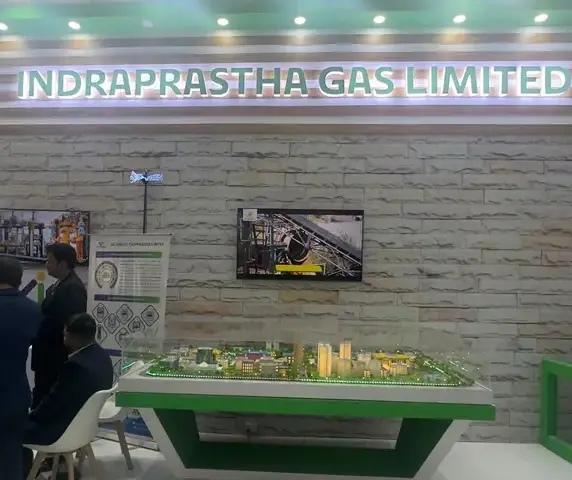
Goa Showcases Innovative Waste-to-Energy Model at India Energy Week-26
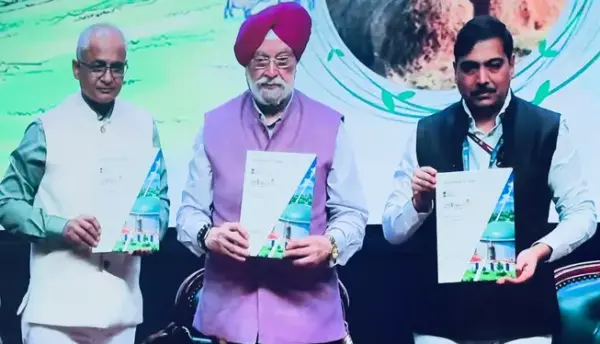
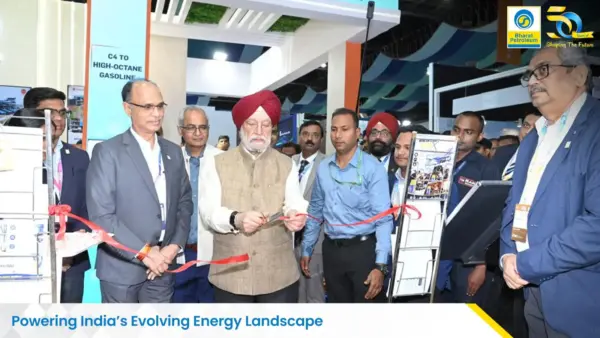
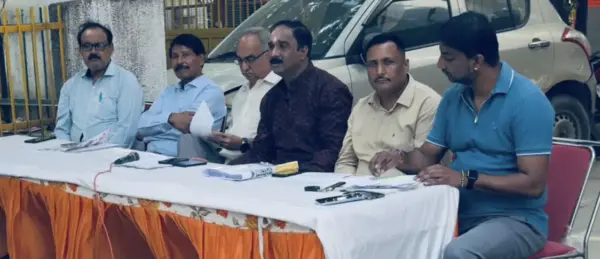
In a significant development at the India Energy Week-26, Indraprashta Gas Limited presented a pioneering model demonstrating the transformation of city waste into Compressed Biogas (CBG), spotlighting sustainable urban waste management practices.
Understanding CBG and Its Production Process
CBG stands for Compressed Biogas, a renewable fuel created through the anaerobic digestion of organic waste, including food scraps, market waste, sewage sludge, and agricultural residues. This process involves the decomposition of organic material by microorganisms in an oxygen-free environment, resulting in the production of biogas. The biogas is then purified and compressed to form CBG, which can be utilized as a fuel for vehicles, industrial energy, or in energy grids.
Principal Advantages of Urban CBG Production
- Waste Reduction and Environmental Protection:
- Helps divert organic waste from landfills, cutting down methane emissions, a potent greenhouse gas.
- Alleviates landfill stress, prolonging their lifespan and reducing issues like leachate and odors.
- Renewable Energy and Fuel Security:
- Acts as an alternative to fossil fuels in transportation and industrial sectors, decreasing reliance on imported energies.
- Ensures a consistent, locally produced energy supply based on urban organic waste.
- Improvements in Air Quality and Public Health:
- CBG combustion releases lower levels of particulate matter, sulfur oxides, and nitrogen oxides than conventional fossil fuels.
- Leads to cleaner transportation and industrial activities, positively affecting urban air quality and respiratory health.
- Economic Opportunities:
- Generates green jobs in areas such as waste collection, biogas plant management, and distribution.
- Enables potential revenue streams from CBG sales and by-products like bio-fertilizer, enhancing municipal financial health.
- By-Products Beneficial for Agriculture:
- The digestate produced from anaerobic digestion is a nutrient-rich substance that can be processed into organic fertilizer, promoting a sustainable cycle between urban and peri-urban agricultural practices.
Circularity in Action: Closing the Loop
The concept of a circular economy focuses on maximizing the use of resources, extracting their utmost value, and regenerating products at the end of their life cycle. The CBG production model aligns with these principles by:
- Transforming organic waste into biogas and bio-fertilizer through material recovery.
- Utilizing local waste to fuel energy systems rather than disposing of it through incineration or landfill.
- Recirculating nutrients back to the soil, reducing the dependence on synthetic fertilizers.
- Creating local value by turning waste into energy and fertilizer, thereby stimulating urban economic activities.
Conclusion
The initiative to convert city waste into CBG not only presents an innovative approach to energy production but also embodies the principles of the circular economy. By transforming organic waste into clean fuel and valuable by-products, urban centers can mitigate environmental impacts, boost energy security, and promote sustainable economic development. Investing in CBG infrastructure is a step towards achieving a sustainable urban ecosystem where waste is re-envisioned as a valuable resource.