






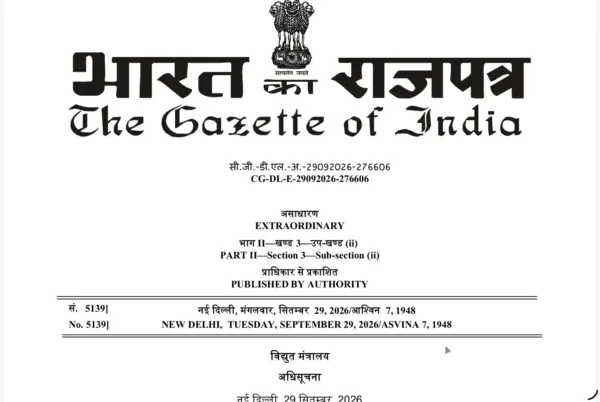







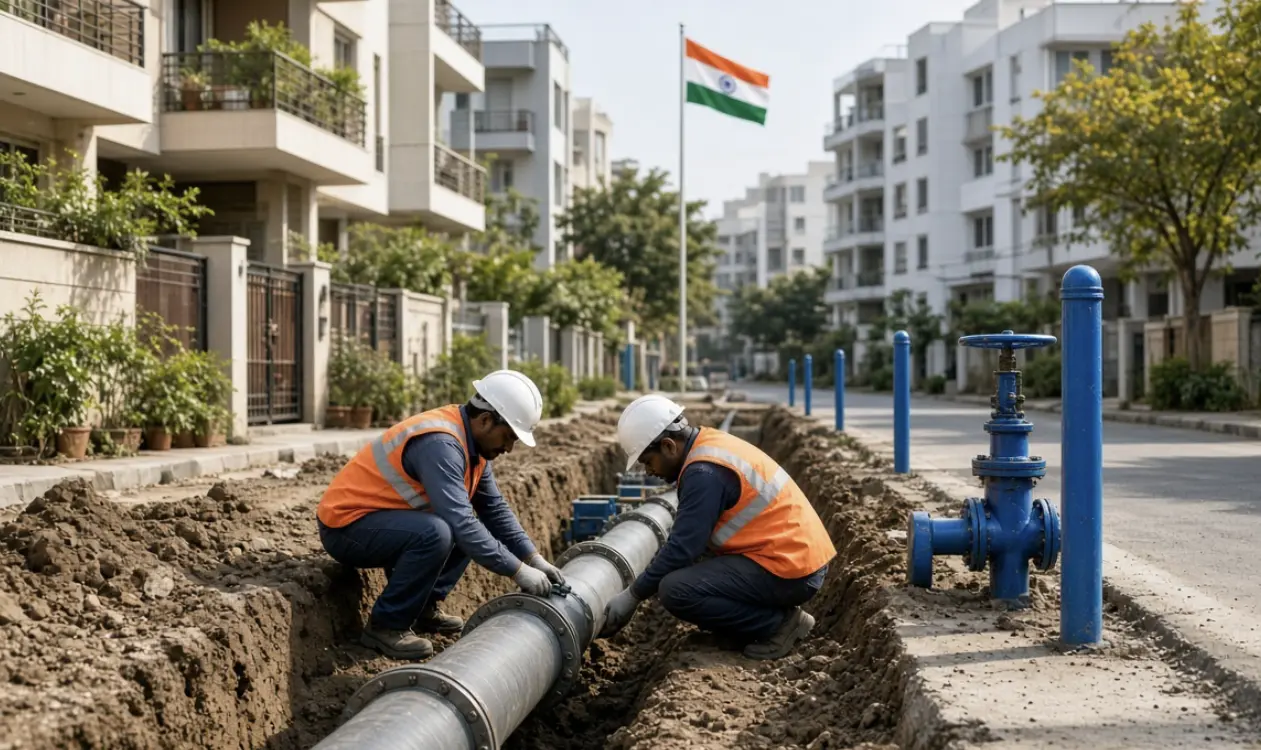
The Indian Government has recently unveiled an initiative aimed at boosting the adoption of domestic Piped Natural Gas (PNG) connections. Scheduled to go into effect on September 1, 2026, the program is designed to ensure the delivery of safe, clean, and affordable PNG across Indian households.
Currently, there are approximately 17.4 million domestic PNG connections in India. The new policy encourages city gas distribution companies to convert non-billed connections into active gas connections and to extend the PNG network to new areas.
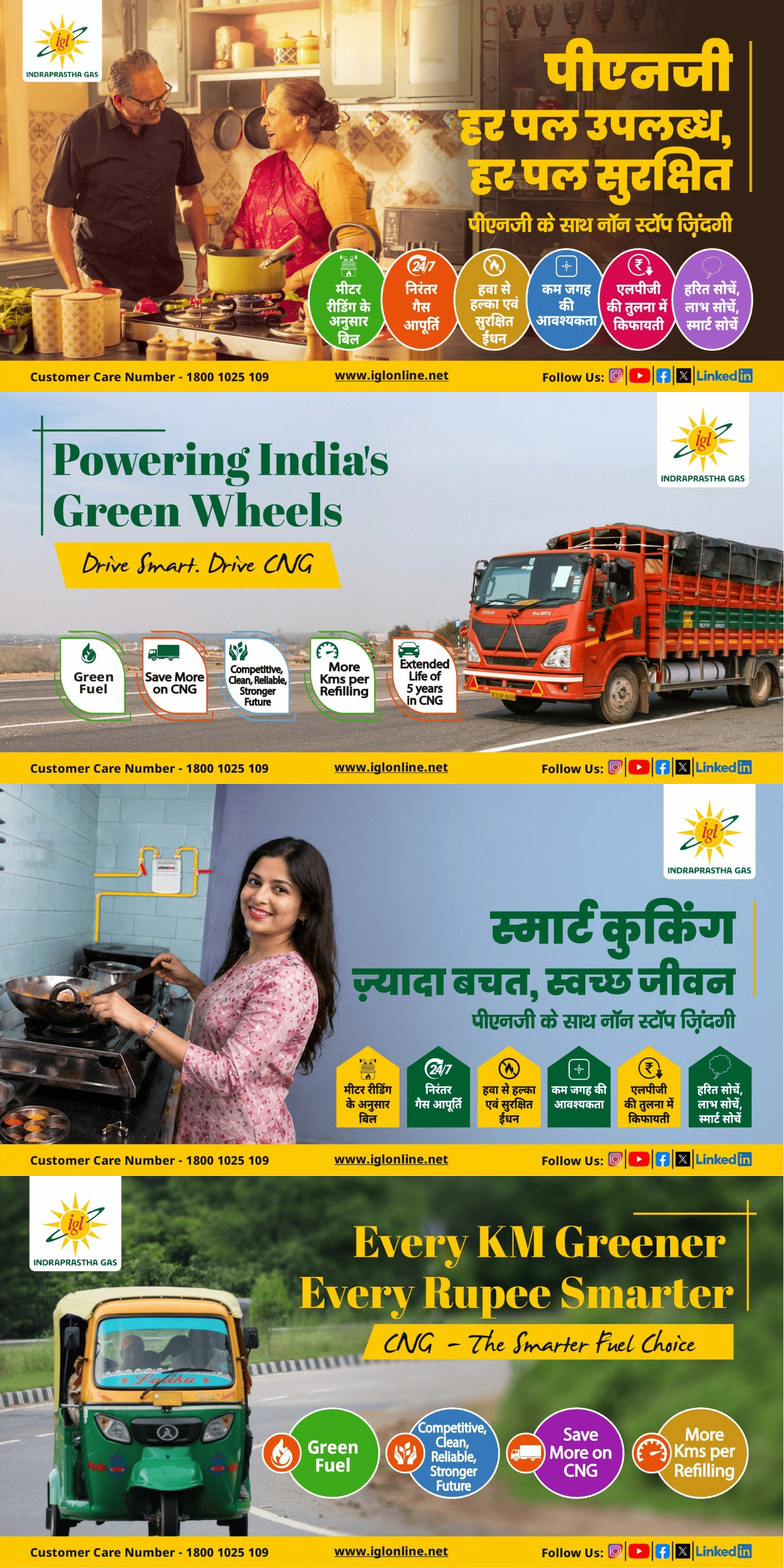
Key benefits highlighted include safety, as PNG is supplied at low pressure through underground pipelines, eliminating the risks associated with the storage and handling of cylinders. Convenience is another significant advantage, as there is no need for booking, storage, or replacement of gas; it is available directly at homes 24/7.
Financially, households only pay for the amount of gas they consume, and typically, PNG is more cost-effective per unit of energy compared to LPG. Environmentally, PNG is less polluting than traditional cooking fuels, which improves indoor air quality and reduces carbon emissions.
This initiative is part of several measures taken by the government in recent months to accelerate the expansion of PNG and to facilitate the transition to clean cooking fuels for homes.
Under this scheme, eligible City Gas Distribution (CGD) entities will receive an additional allocation of 200 Standard Cubic Meters (SCM) of domestically produced low-cost (APM) gas for every new billed domestic PNG connection during the performance period.
The savings generated by this plan are expected to significantly decrease the capital expenditure recovery period for D-PNG connections from about ten years to roughly three years, enabling CGD companies to expedite the expansion of domestic PNG connectivity.