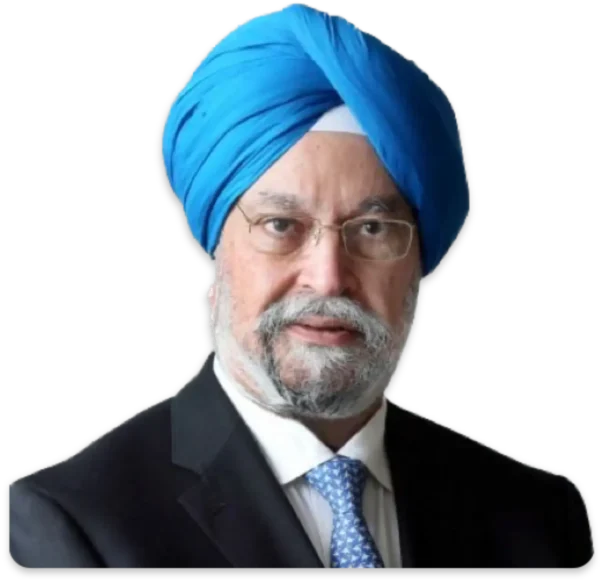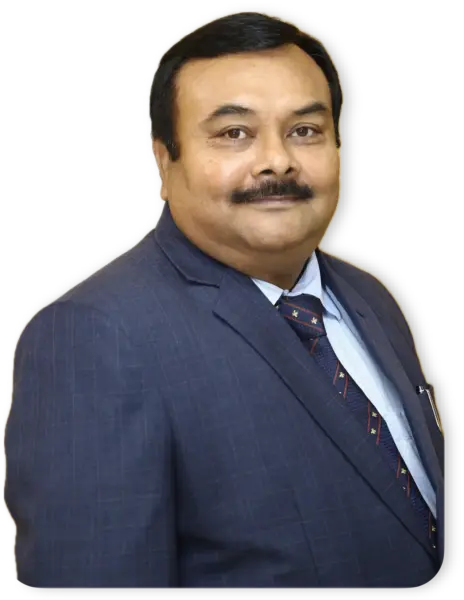











Shri Hardeep Singh Puri, the Minister of Petroleum and Natural Gas, recently underscored the pivotal role of education in the country’s advancement during a seminar on “School Education in India: Towards Equitable Access to Quality Education for All” organized by the Council for Social Development. He emphasized that education stands at the core of India’s progress, asserting that the nation’s journey from its current $4 trillion economy to a projected $35 trillion economy by 2047 hinges on fostering a generation of responsible and productive citizens through universal, high-quality, and inclusive education.
The Minister highlighted significant policy milestones achieved over the past twenty-five years, noting that in 2002, during the Vajpayee Government, the constitutional groundwork for the Right to Education (RTE) was laid through the 86th Constitutional Amendment Act. This landmark amendment enshrined free and compulsory education for children aged 6–14 years as a Fundamental Right under Article 21A. Subsequently, the RTE Act was enacted in 2009, marking a crucial shift from elementary education being a Directive Principle to a legally enforceable right. The momentum of this reform has been further propelled under the leadership of Prime Minister Shri Narendra Modi since 2014 through targeted implementation and flagship programs.
Drawing from data pre- and post-RTE implementation from UDISE and ASER reports, Shri Puri shared positive outcomes that reflect the success of sustained efforts under the Modi Government in the education sector. Youth literacy rates have surged to nearly 97 percent, the gender literacy gap has significantly narrowed, and enrollment rates have shown remarkable growth, with primary enrollment rising from 84 to 96 percent and upper primary enrollment from 62 to 90 percent. The improvements in educational infrastructure and teacher resources have been equally noteworthy, with the teacher-pupil ratio improving from 42:1 to 24:1, schools with separate girls’ toilets rising from 30 to 91 percent, and schools with electricity supply increasing from 20 to 86 percent. Notably, the dropout rate has plummeted from 9.1 to 1.5 percent. Reflecting on India’s educational journey, Shri Puri highlighted the remarkable progress from a 17 percent literacy rate at independence to around 80 percent today, as per NSSO data, setting the stage for universal education as the next milestone.

Shri Puri stressed that education must be regarded as a national priority, transcending political boundaries, as it directly shapes the country’s developmental trajectory. Despite acknowledging his non-specialist status in education policy, he reiterated that robust educational reforms and inclusive learning are imperative to harness India’s demographic dividend.
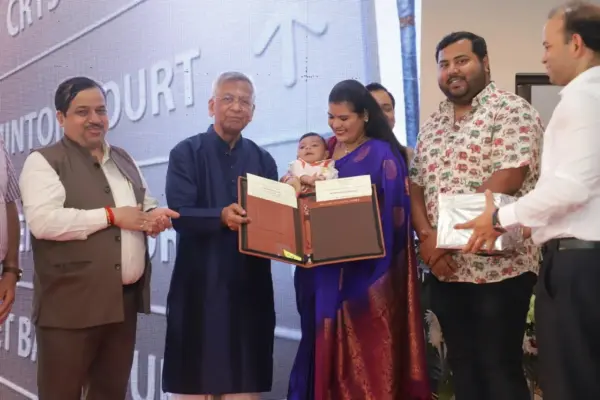
The seminar paid homage to the vision and legacy of Prof. Muchkund Dubey, with the inauguration of the Muchkund Dubey Centre for Right to Education at the Council for Social Development. Shri Puri expressed gratitude for inaugurating the center’s inaugural event, honoring Prof. Dubey’s enduring commitment to ensuring equitable and quality education for every child in India. Remembering Prof. Dubey as a mentor and an exceptional diplomat, scholar, and public intellectual, Shri Puri highlighted his lifelong dedication to the cause of education.
In conclusion, Shri Hardeep Singh Puri’s remarks shed light on the critical importance of education in shaping India’s future, emphasizing the need for continued efforts towards universal, high-quality education to propel the nation towards its envisioned economic and social growth.