












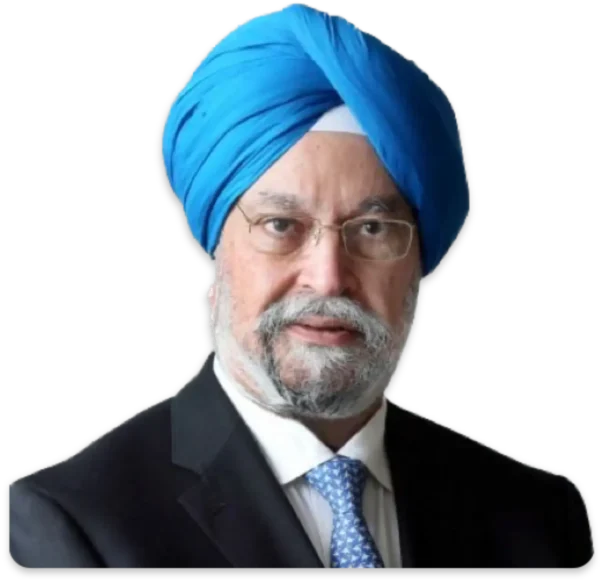
The proactive stance of the Government in safeguarding citizens from the impact of global crude oil price fluctuations was emphasized by the Union Minister of Petroleum and Natural Gas, Shri Hardeep Singh Puri, during a recent session in Lok Sabha. The Minister underscored the Government’s unwavering commitment to ensuring energy security, affordability, and accessibility for all citizens, despite the challenges posed by international crude oil price volatility.
He pointed out that while international crude oil prices have experienced significant fluctuations, leading to a rise from \\$55 per barrel in March 2015 to \\$116 per barrel in June 2022, the domestic prices of petrol and diesel have seen a reduction. This reduction can be attributed to the strategic measures implemented by the Government and Public Sector Oil Marketing Companies (OMCs).
The Minister highlighted that petrol and diesel prices are market-driven, with Public Sector OMCs making pricing decisions in response to market dynamics. Given that India imports over 85% of its crude oil requirements, the prices of petroleum products in the country are closely linked to the international market.
Despite the challenging global scenario, the Government has implemented various initiatives to mitigate the impact on consumers. For instance, excise duty on petrol and diesel was reduced by Rs. 13 and Rs. 16 per litre, respectively, in November 2021 and May 2022, with the entire benefit passed on to consumers. Some State Governments also lowered VAT to provide additional relief to consumers.
Moreover, PSU OMCs have undertaken measures such as intra-state freight rationalization to reduce petrol and diesel prices in remote areas, thereby narrowing the gap between maximum and minimum retail prices within a state. The Government’s efforts also include diversifying the crude import basket, invoking Universal Service Obligation provisions to ensure fuel availability, and boosting domestic exploration and production of crude oil.
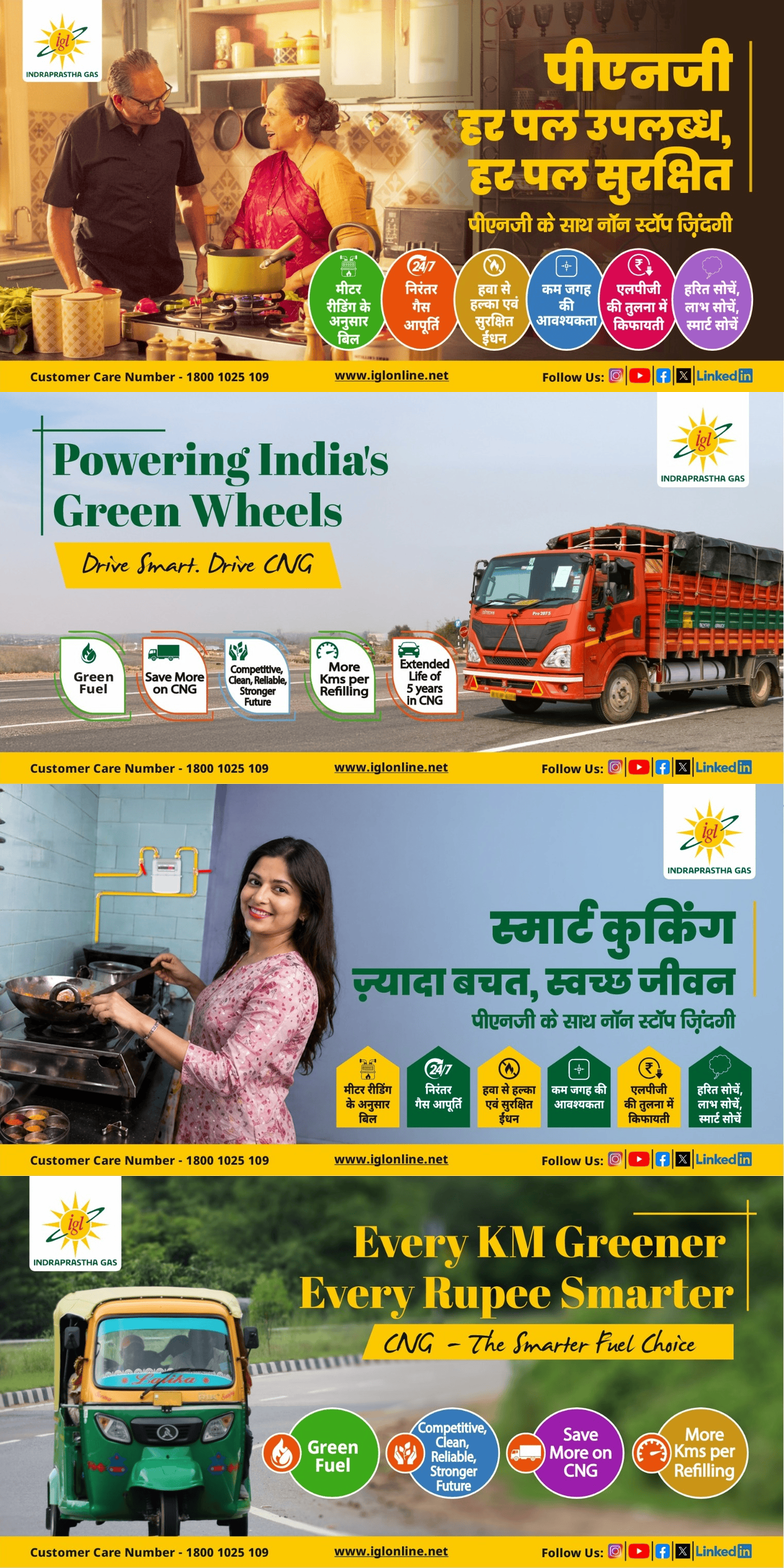
In line with promoting sustainable energy sources, the Government is actively advocating the adoption of alternative fuels like CNG, LNG, hydrogen, biofuels (including ethanol), and electric vehicles. The National Policy on Biofuels aims for 20% ethanol blending in petrol and 5% biodiesel blending in diesel by 2025-26, with significant progress already achieved in ethanol blending as of July 2025.
Various initiatives such as the Ethanol Blended Petrol Programme, Biodiesel blending programme, and the SATAT initiative for marketing Compressed Bio Gas (CBG) are being spearheaded to bolster biofuel production in the country. By incentivizing production, establishing bio-refineries for second-generation ethanol, and promoting bio-manure production, the Government is fostering a sustainable energy ecosystem, especially in rural areas.
Overall, the Government’s multifaceted approach not only addresses the immediate challenges posed by global crude oil price fluctuations but also paves the way for a greener and more resilient energy future for India.