





















In a significant development, India’s Prime Minister, Shri Narendra Modi, officially launched the expanded capacity of the Numaligarh–Siliguri Product Pipeline (NSPL), managed by Oil India Limited. This event took place at a well-attended public gathering in Guwahati on March 13, 2026.
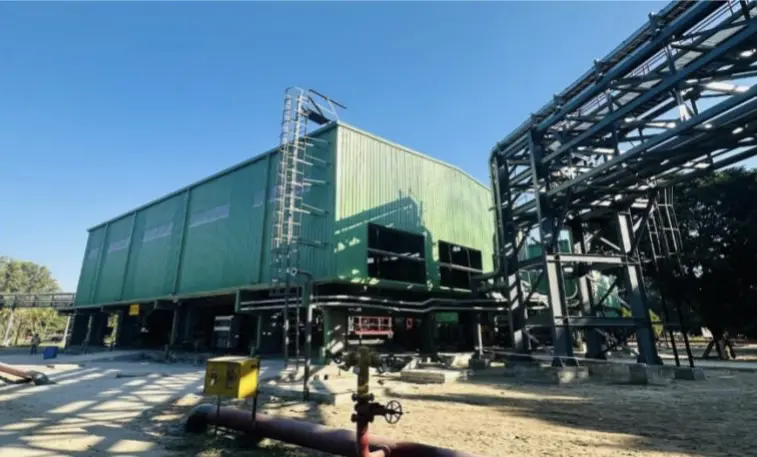
The NSPL, a pivotal 654-kilometer pipeline with a 406 mm diameter, plays a crucial role in the transportation of multiple petroleum products. Initially set to handle 1.72 Million Metric Tonnes Per Annum (MMTPA), the pipeline’s capacity has now been enhanced to accommodate 5.5 MMTPA. This upgrade is a part of the broader scale-up of the Numaligarh Refinery, which is set to expand from 3.0 MMTPA to 9.0 MMTPA, underpinning the Hydrocarbon Vision 2030 for India’s North-East.
Project Details and Innovations
The increase in capacity involved several strategic upgrades:
- Transformation of pigging stations located in Sekoni, Guwahati, Bongaigaon, and Madarihat into Intermediate Pumping Stations.
- Enhancement of the pumping mechanisms at the Numaligarh Dispatch Terminal.
- Advanced upgrades at the Siliguri Receipt Terminal to boost operational efficiency and safety.
Carried out as a brownfield initiative, the project was completed with an investment of approximately ₹750 crore, well under the projected budget of ₹860 crore. This financial efficiency was achieved by leveraging the existing infrastructure effectively.
The construction phase alone created substantial employment opportunities, accumulating over 4.1 million man-hours over more than three years, benefiting numerous communities across Assam and West Bengal.
Impact on Regional Infrastructure and Energy Security
The successful completion of the NSPL capacity enhancement is a landmark achievement in fortifying the petroleum product logistics in the North-East of India. It also marks a significant step forward in bolstering the nation’s energy security, aligning with governmental visions and strategic goals for the energy sector.
This project not only exemplifies the commitment to enhancing infrastructural capabilities but also reflects the focus on sustainable development and economic upliftment in the region.