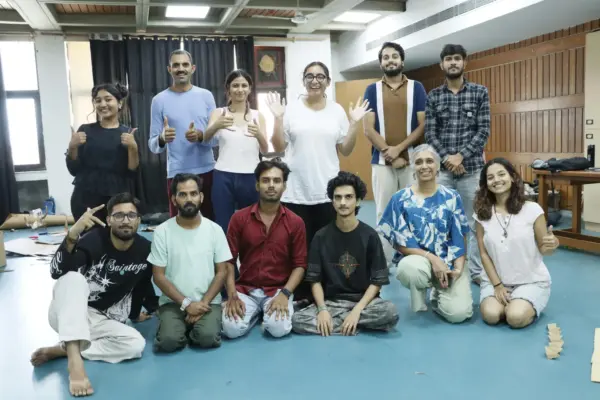









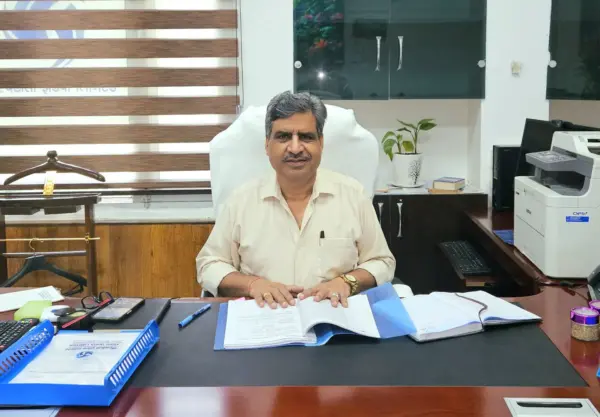
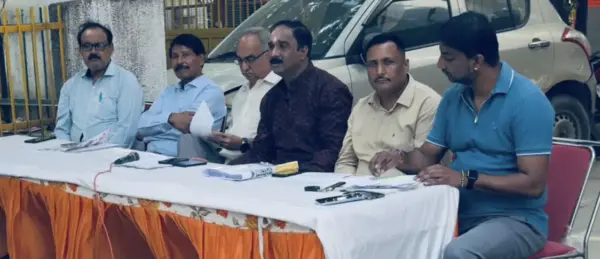

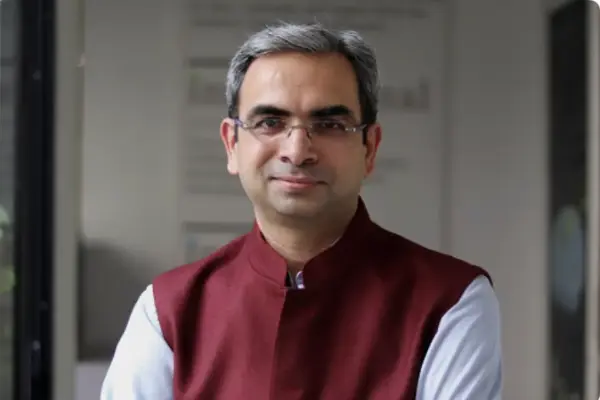

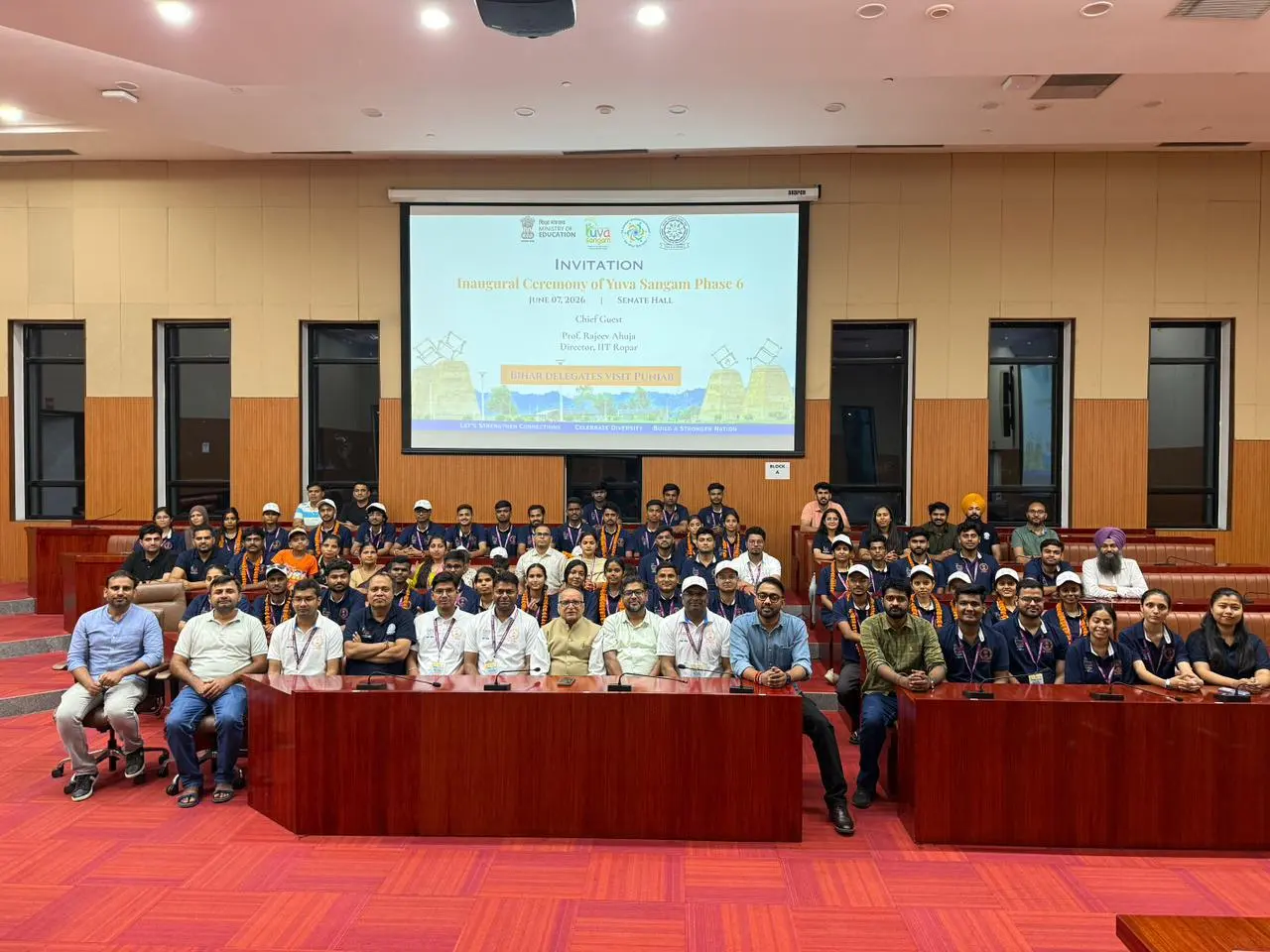
The Indian Institute of Technology Ropar (IIT Ropar) recently hosted a welcoming ceremony for a group from Bihar, marking the sixth phase of the Yuva Sangam initiative, an important youth exchange project spearheaded by the Department of Higher Education, under the Ministry of Education, Government of India. The event took place in the Senate Hall of IIT Ropar and featured Prof. Rajeev Ahuja, the institute’s director, as the chief guest.

Previously hosted by IIT Patna, the visiting delegation was greeted with traditional Punjabi warmth which included floral garlands, symbolizing a hearty reception upon their arrival at the IIT Ropar campus. This initiated their six-day exploratory tour of Punjab.
During his address, Prof. Ahuja emphasized the significance of Yuva Sangam, describing it as a potent tool for fostering national unity. He highlighted the anticipated positive outcomes of the interactions between the youths of Bihar and Punjab, suggesting these would create lasting relationships extending beyond their brief stay. He also reminisced about the earlier departure of the Punjab delegation to Bihar on May 22, 2026, viewing the current visit as a completion of a cycle of mutual exchange and friendship.
IIT Ropar serves as the central institution for Punjab in this phase of Yuva Sangam, which is aligned with Bihar. The program falls under the ambit of the Ek Bharat Shreshtha Bharat (EBSB) campaign and is organized around five key themes: tourism, tradition and culture, development and governance, interpersonal connections, and technological advancements. This phase involves 22 higher education institutions nationwide, promoting extensive youth exchanges between paired states.
Throughout their stay, the delegates from Bihar will participate in a comprehensive agenda that includes touring significant historical and cultural locales, engaging in academic discussions, visiting IIT Ropar’s labs, and interacting with local communities. This itinerary is designed to immerse the delegates in the cultural, governmental, and technological facets of Punjab, enhancing their understanding and appreciation of the state’s contributions and heritage.