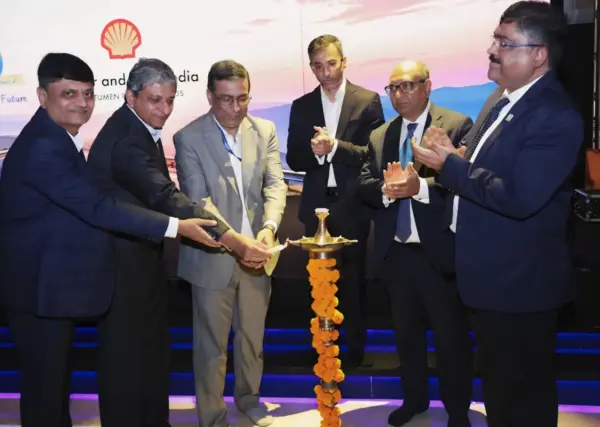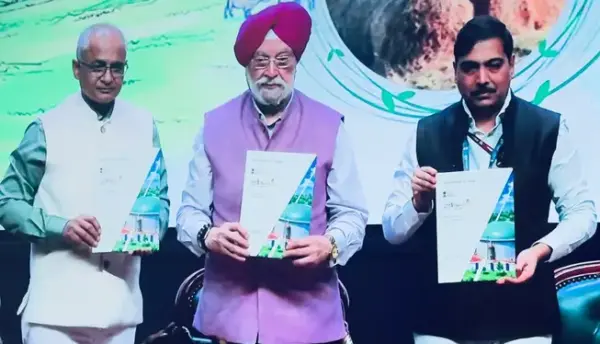







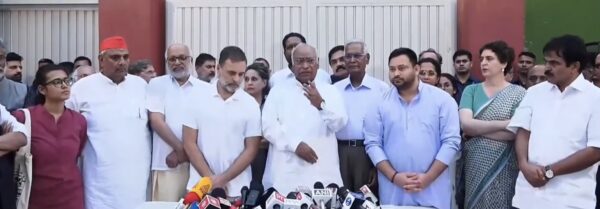
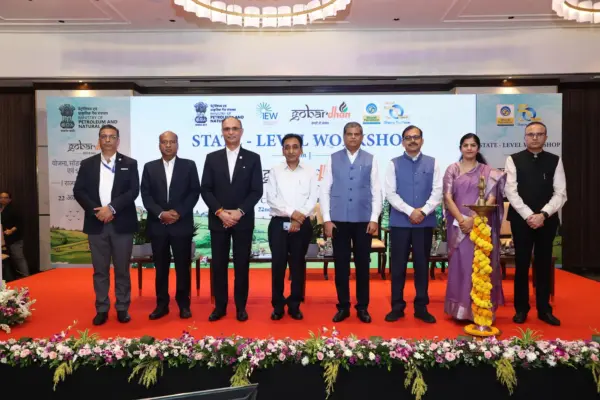


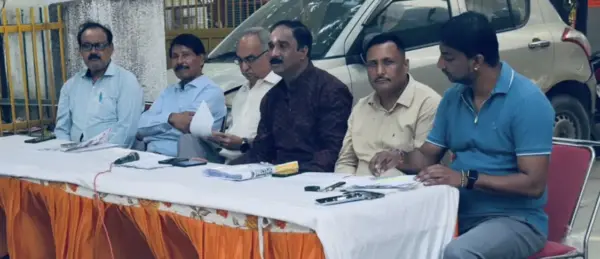

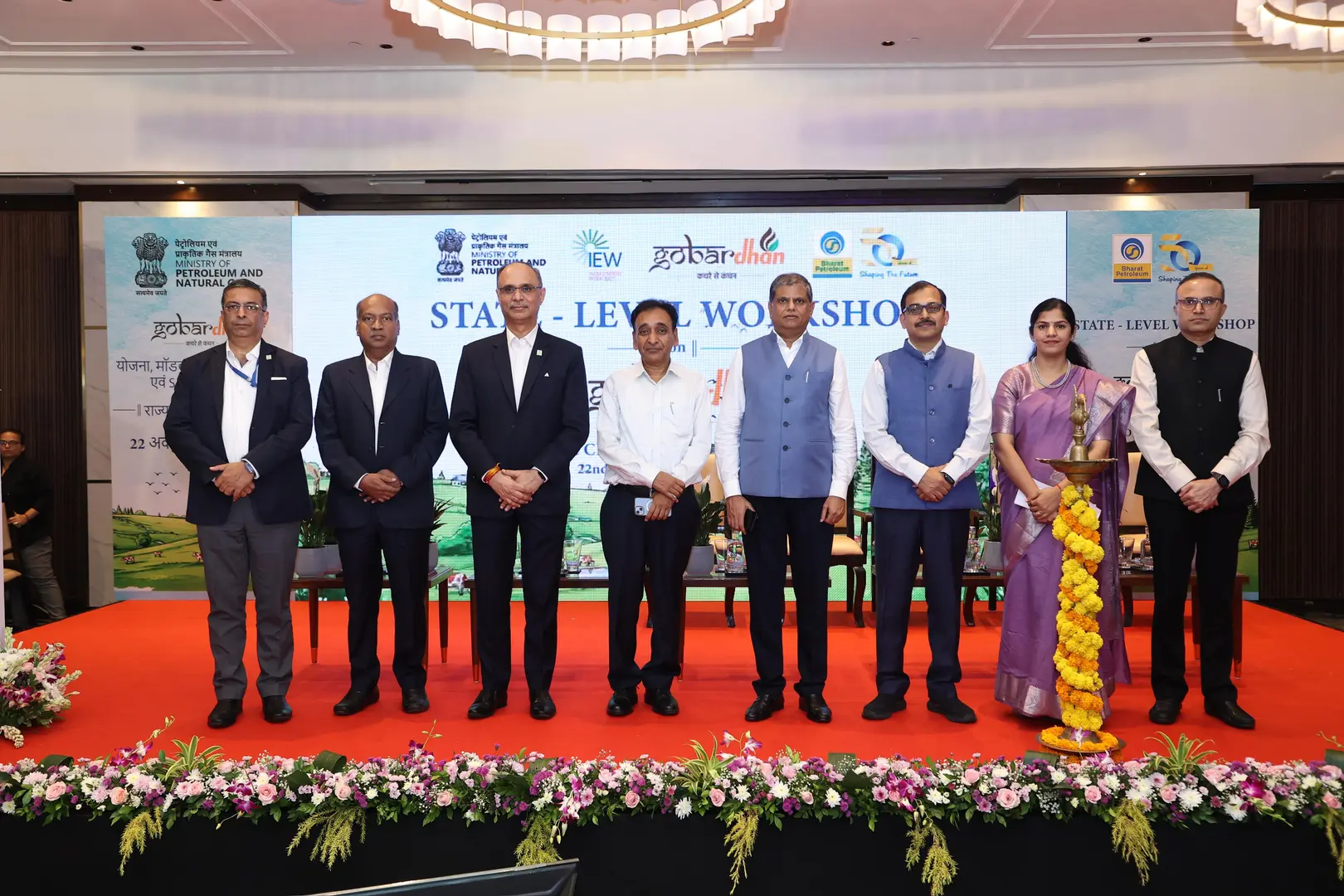
The event brought together representatives from central and state governments, the Centre for High Technology, oil and gas marketing companies, City Gas Distribution companies, urban local bodies, CBG developers, financial institutions, technology partners and Farmer Producer Organisations.
Policy and project requirements
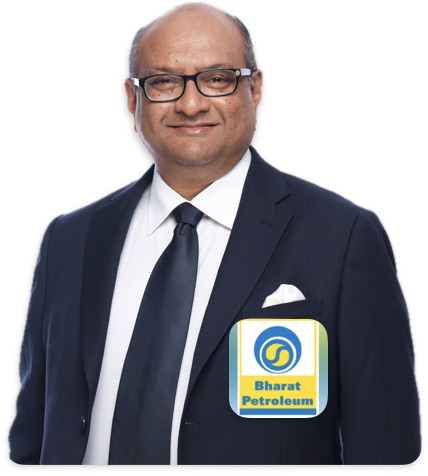
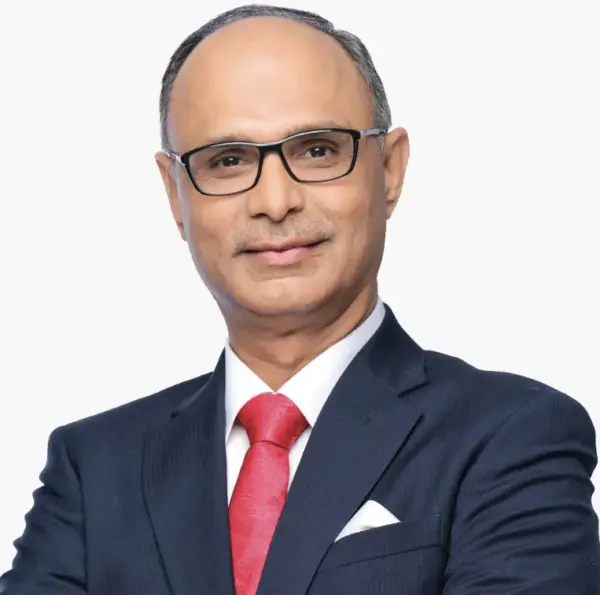
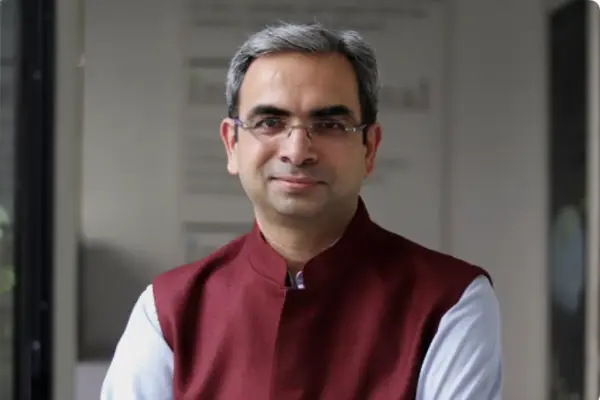
BPCL Chairman and Managing Director Sanjay Khanna said CBG projects could use agricultural residues, cattle dung, press mud and municipal organic waste to produce renewable energy. He also highlighted the potential role of organic manure from CBG plants in supporting soil fertility and linking energy production with agriculture.
MoPNG Director (GP) Vikas Singh outlined the Centre’s vision for expanding the GOBARdhan initiative and the policy and market framework for CBG. He called for coordinated action by government, industry, urban local bodies, farmers and financial institutions, and urged Maharashtra to align its state policy, establish a land bank and assess feedstock availability.
Maharashtra Chief Secretary Rajesh Aggarwal said agricultural waste and municipal solid waste could be used to produce clean energy and improve waste management. He called for their efficient use to support the GOBARdhan initiative and the state’s clean-energy ecosystem.
The workshop also covered the GOBARdhan Scheme, the Model State CBG Policy, SASCI 2026–27 and Maharashtra’s CBG policy and implementation requirements. BPCL’s CRDC team held a session on Enriched Fermented Organic Manure (EFOM), focusing on its potential contribution to sustainable agriculture and soil health.
Waste streams and enabling conditions
Discussions examined how municipal solid waste, agricultural residues, cattle dung and press mud could support a CBG ecosystem in Maharashtra. Participants also discussed assured offtake, stable pricing, approvals, feedstock availability, financing and supporting infrastructure as factors in project development.
BPCL said it would continue its role in the CBG sector as a producer, offtaker and facilitator. The workshop highlighted collaboration among governments, local bodies, farmers, cooperatives and industry as important to advancing project implementation