








(By Z A Ansari.)
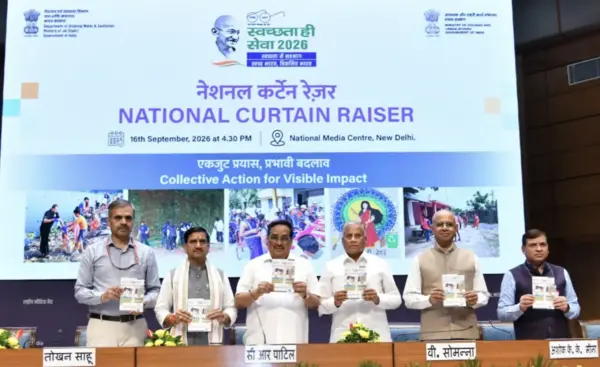
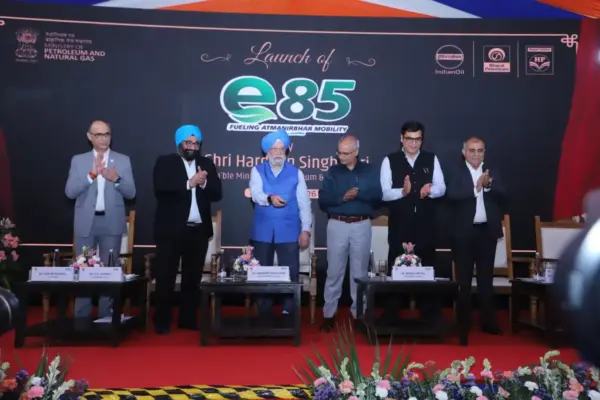
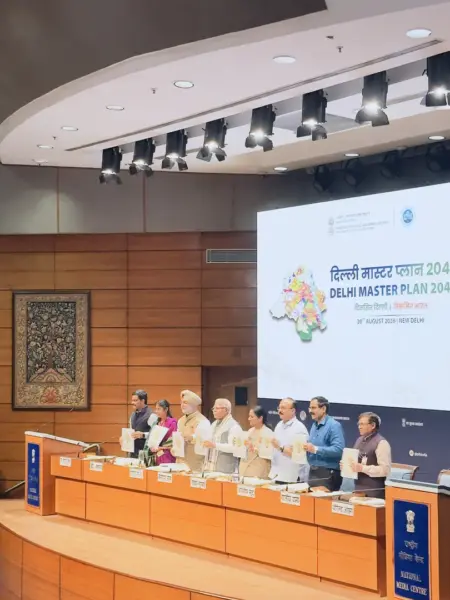
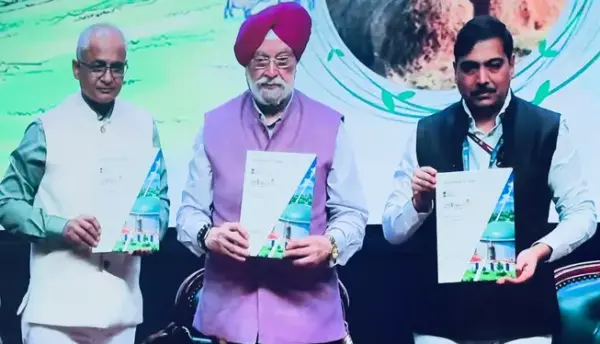
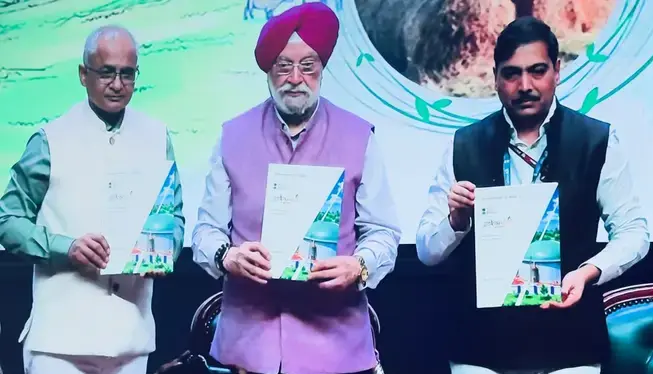
New Delhi: 01.Oct.2026: A change in how biomass projects find buyers emerged as the central theme when Hardeep Singh Puri launched the GOBARdhan scheme at Bharat Mandapam in New Delhi.
Addressing concerns that the initiative could repeat earlier efforts, Puri said the latest approach was different in its design and coordination.
“This time it is qualitatively different,” he said. The distinction, according to Puri, lies partly in the decision to place coordination with one central agency rather than divide responsibility among several departments.
However, he acknowledged that a national framework developed in New Delhi would still depend on implementation by state governments. He said a model policy had been made available to the states.
The most significant feature outlined in his remarks was assured offtake for projects developed under the prescribed guidelines and state plans. Puri also referred to support for basic infrastructure, while making clear that such assistance would not cover every project cost.
“If you follow these guidelines and you come in with the state government under the state plans, your offtake is guaranteed,” he said.
Puri linked the policy to India’s growing energy requirements. He said domestic energy demand was increasing at about three times the global average and that nearly 50 per cent of the country’s natural gas requirement was being met through imports.
Against that backdrop, he argued that India needed reliable and affordable energy, with a larger share produced within the country. He also cited continuing international turbulence as a reason to strengthen domestic energy supplies and reduce exposure to disruptions beyond India’s borders.
Puri said information about the scheme was available in an English-language booklet and called for the material to be issued in Hindi and other languages.
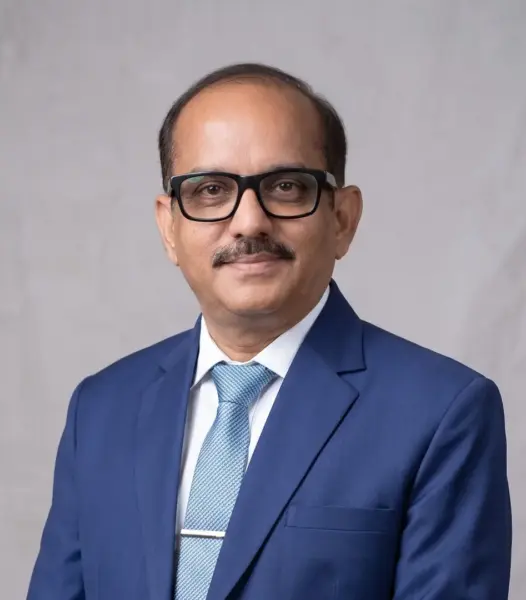
Petroleum Secretary Neeraj Mittal and Joint Secretary Alok were also present at the programme.
Puri said earlier biomass-related efforts had encountered coordination and market-access difficulties. He presented central coordination, state-level implementation, infrastructure assistance and assured offtake as the main elements distinguishing the current approach.