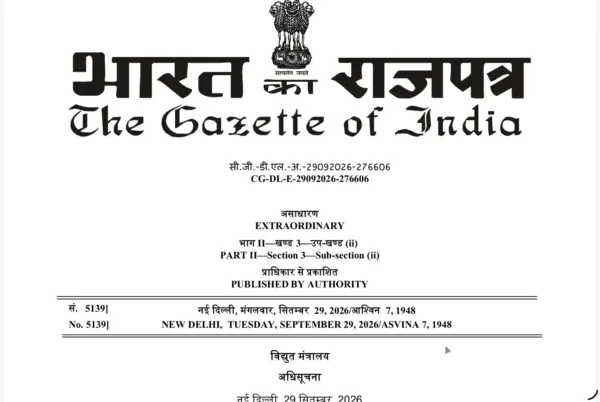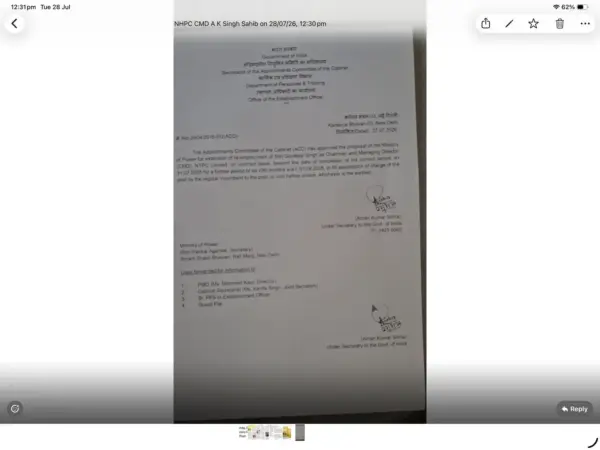
























(Z A Ansari )-New Delhi, March 5, 2025: Questions are now being raised over the future of the Chairman and Managing Director (CMD) positions in NTPC’s subsidiaries, THDC and NEEPCO, as indications of possible structural changes within these entities gain traction. Sources familiar with the developments suggest that NTPC is exploring the possibility of overhauling the leadership framework of both companies, which may include discontinuing the CMD roles altogether.
According to information accessed by NewsIP, the current CMD at THDC could potentially be the last to hold the post. Meanwhile, the CMD vacancy at NEEPCO has remained unresolved for an extended period, with multiple postponements raising speculation about whether the position will eventually be phased out.
In what appears to be a strategic review, the Ministry of Power had recently scheduled a high-level meeting to deliberate on the future governance of these subsidiaries. Senior officials from NTPC, THDC, and NEEPCO were expected to participate. However, official sources confirmed that the meeting was called off at the last minute, reportedly due to scheduling conflicts involving key participants.
Industry experts closely monitoring the situation believe that one of the proposals under consideration involves reshaping the boards of these companies to allow Executive Director (ED)-level officers to take charge as Managing Directors (MD). This model, some suggest, could reduce administrative overhead while streamlining decision-making processes, aligning with broader efforts to optimize management structures across the NTPC group.
While no formal announcement has been made, observers view these developments as part of a larger pattern of governance reforms in major public sector enterprises. If implemented, such changes could redefine the roles and responsibilities of top management within NTPC’s subsidiaries, possibly setting a precedent for similar entities going forward.
For now, the matter remains under deliberation, and stakeholders are watching closely to see whether these early signals materialize into concrete policy shifts.