









Those halcyon days & ways of Calcutta (Kolkata) Movie Halls
Calcutta's Golden Era: 50s & 60s Grand Culture
Synopsis

Calcutta (Kolkata) during the 50s & 60s was a swinging city, much more bohemian than even Bombay (Mumbai) or Delhi. Madras (Chennai) had yet to wake up from its slumber. The city enjoyed good economic growth, industries and businesses were flourishing, boxwallahs had a gallivanting time and the bhadralok grudgingly accepted that times were indeed a changing.
It became the undeclared cultural capital as well. Louis Banks, Pam Crain, Usha Uthup were regularly playing at Mocambo, Waldorf, Sky Room, Blue Fox and Trincas. Calcutta had become a Jazz destination for singers and knowledgeable listeners alike. Park Street a Mecca of sorts for the young and swinging. Authors/Poets Bibhutibhushan Bandyopadhyay, Bimal Mitra, Ashutosh Mukhopadhyay, Gauriprasanna Majumdar, travelogue writer Syed Mustab Ali were household names. Singers/Musicians Ustad Amir Khan, Pandit AT Kannan, Radha Kanta Nandi plied their fare in the famous Dover Lane Festival; Manna Dey, Hemanta Kumar, S.D Burman did playback singing.
Sculptors Ramkinkar Baij, Sankho Chaudhuri, artists Nanda Lal Bose, Jogen Chowdhury had made Calcutta their home. In fact, the names of the popular and illustrious are too many to be captured here fully. Above all it was also the golden era of Bengali movies. Superstars Like Uttam Kumar, Suchitra Sen, Madhabi Mukherjee and Soumitra Chatterjee set the commercial film screens ablaze and the all-time greats like Satyajit Ray, Mrinal Sen, Ritwik Ghatak strode the film world with their timeless and thought provoking classics.
However, it many surprise many that despite huge hits in Hindi and Bengali there were some film halls in central Calcutta which would not project these films at least not during regular film show timings. They instead used to dish out mostly Hollywood fare which were amazingly popular and patrons would book tickets in advance to view them.
Remember those were the times of single screens and movie going was a different experience altogether. People had more time at their disposal and movie halls would vie with one another to attract audience. These halls had their own usps and constantly upgrade their facilities to make the whole episode entertaining and comforting. To name a few, Globe, Metro, New Empire and Roxy were amongst the most popular and were in and around walking distance of one another, in the Chowringhee boulevard. They had Art Deco architecture which could rival even the Miami front of Florida, USA. Each had its own exclusive ambience and became the particular favorite of cinegoers.
If Metro reeked of old wealth with its plush carpeting and chandeliers, Roxy was snug and relatively smaller, the grandeur of Globe was unique, with New Empire having an expansive Bar & Restaurant. While now a days the multiplexs dish out Popcorn and cold dry Snacks, most of these cinema halls in central Calcutta boasted of full-fledged Bars which stocked the choicest of Hard Drinks, Liqueur, Cocktails and Soft drinks. Many of these halls were proud of their full-fledged restaurants with Continental, Bengali, Chinese and North India fare.
This was not only an additional stream of business but also made for the vital differentiation. Many a film goer would ensure he had time to enjoy some drinks and savories before the bell rang three times in a row to announce the start of the film show. In a humid city like Calcutta these Air-conditioned Bars and Restaurants seemed heavenly. Although these Bars & Restaurants were usually for the film goers but soon became the favorite watering hole of Calcuttans, especially those who were bereft of Club Memberships which are even today scarce to come by.
The Adda culture of the city flourished in these abodes which became second home to many. They could be found sprawled on the Cane or Teakwood Chairs, whiling away their time in the cool comfort and dim lights. Definitely a fall back on the colonial past of the city. The Bearers, yes the boys who carried victuals to the guests, were still called bearers, usually dressed in white with red sashes, golden buckle and topi reminded of a bygone era of palaces and ardalis.
They were extremely dexterous in service and the way they laid out the table and placed cutlery was a treat to watch. The sahib and salaam culture was still prevalent and these bearers could make your day with practiced bow and flourish or mar it with a scowl depending on mood and tips. These cinema halls clung on to the past with a vengeance and pride. As if they intended declaring to the world that chivalry and grandeur were of permanence.
Alas time and tide wait for none. Those edifices are long gone. Broken down, modified or covered in vinyl graffiti. With that an era has passed, never to come back again. It’s not merely for the virgins that Robert Herrick wrote:
Then be not coy, but use your time, And while ye may, go marry; For having lost but once your prime, You may forever tarry …
You May Also Like
Kwality dishing out Delhi delicacies for over several dacades
Aug 4, 2025
All die hard Delhites swear by their Choley Bhature. Most have their own favourite joints which they claim serve the very best. Over time many joints have become legends while others have languished. Those who are familiar with Delhi of late 50s and 60s will recall that Cannaught Place was the to go place for […]
India’s Answer to Hamburger & Pizza
Jul 19, 2025
City Scape: India’s Answer to Hamburger & Pizza ,Yes it’s the Kathi Kabab Roll. This lip smacking gastronomic delight is still being sold, in its original form at the more than 50 years old Nizam’s, near Hogg Market, Kolkata. The iconic outlet oozes full bodied Mughlai appeal and aroma. The process of making kababs here […]
Delhi and it’s continuing Commonwealth Games Hangover
May 16, 2025
Delhi is an ancient city, littered with constructions, past & present. Edifices made by Delhi’s varied rulers which are robust, unique, proud and often making very firm statements. Some of these are well maintained while others are in ruins. Residents and visitors alike often take them in their stride. Once in a while, some perplex […]
Sponsored by Google, a partner of NewsIP Associates.
Sponsors' Logos















Appointments News
NMDC Appoints Sarita Chauhan as Government Director

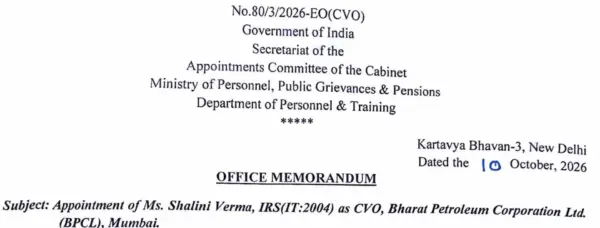
Shalini Verma Appointed as BPCL Chief Vigilance Officer
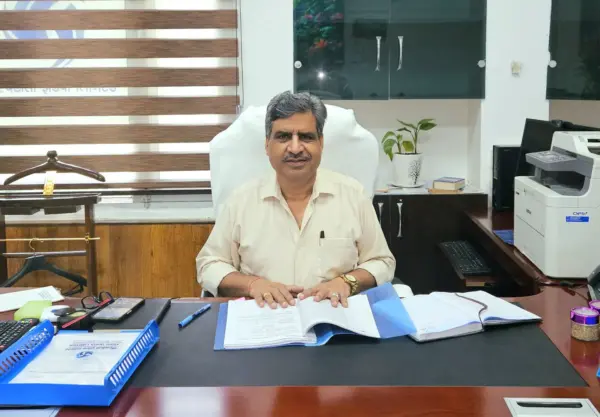
Sh. Ajay Verma Assumes Charge as Executive Director (Projects) at THDC India Limited
GAIL Appoints Rajeev Kumar as Government Nominee Director
ACC Approves Manoj Kumar Sharma as GAIL Director Projects