












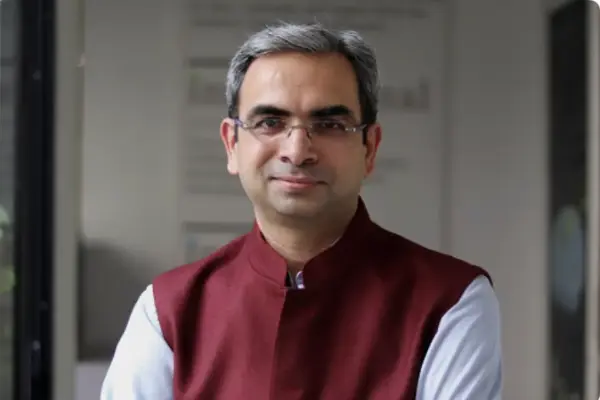


New Delhi, February 24, 2025 – The PRAKRITI 2025 conference, organized by the Bureau of Energy Efficiency under the Ministry of Power, took place at Hotel Hayat in New Delhi. The event was graced by the presence of Union Power Minister Mr. Manohar Lal Khattar, Additional Secretary of Power Mr. Aakash Tripathi, along with several high-ranking officials from the Ministry of Power.
Key Discussions and Insights on Climate Action
The conference highlighted India’s growing commitment to addressing climate change and the steps being taken to mitigate its risks. In his address, Mr. Aakash Tripathi noted the significant progress made over the years in strengthening energy conservation policies. The country has consistently introduced new initiatives aimed at enhancing energy efficiency, aiming for a cleaner and more sustainable future.
Mr. Tripathi emphasized the urgency of reducing carbon emissions and advancing India’s energy transition. A key objective set by the Ministry is to achieve 50% renewable energy by 2030. Efforts to reduce the nation’s carbon footprint are already underway, with ongoing energy conservation measures and the introduction of various programs.
Key Initiatives Paving the Way
The PAT Scheme and the Standards & Labelling Program- were among the highlighted initiatives, both of which focus on driving energy efficiency. The PAT Scheme encourages the adoption of energy-efficient appliances, while the Standards & Labelling Program educates consumers about energy efficiency, helping them make better-informed choices that contribute to reduced carbon emissions.
Furthermore, Mr. Tripathi spoke about the *Indian Carbon Market (ICM)*, a milestone initiative that seeks to reduce carbon emissions across multiple sectors. He shared that the *Carbon Credit Trading Scheme (CCTS)* has been successfully notified, which will operate through a hybrid compliance and voluntary system. Nine hard-to-abate sectors have been identified, with extensive audits and mapping already conducted.
Roadmap for the Indian Carbon Market
The Indian government is confident that the upcoming carbon trading system will play a crucial role in achieving the country’s climate goals. It was revealed that sector-specific targets for emissions reduction will soon be established, creating a structured framework for trading carbon credits. By 2027, industries are expected to reduce 40% of their emissions targets, with 60% achieved over the following years.
Challenges in the implementation of the Indian Carbon Market were discussed, especially concerning the integration of global markets. Comparisons were made with successful systems in the European Union (EU) and other global markets. India aims to ensure that its carbon market remains aligned with international standards while navigating the unique challenges of its energy landscape.
A Unified Effort for Energy Efficiency
The participants also delved into the importance of collaboration among industries, stakeholders, and policymakers to create an effective energy transition roadmap. Efforts are being made to balance the marginal cost of energy transitions and to ensure that industries, especially those reliant on outdated technologies, are given adequate time and support to meet emissions reduction targets.
Mr. Tripathi reaffirmed the government’s commitment to expediting India’s shift towards a greener, more sustainable future. The *PRAKRITI 2025* conference was recognized as a crucial platform for developing the country’s future energy policies, and discussions held are expected to guide the nation in meeting its ambitious climate goals.
India’s energy transformation is no longer a distant dream—it is a present-day reality that is being shaped with every policy and initiative discussed today.