

















Tokhan Sahu,MoS-HaU—shared, replicated solutions could transform a hundred cities
(New Delhi, 18.11.2026 – By NewsIP Bureau)
NIUA-convened Parvat Manthan concludes in Dehradun on 18 November with recommendations for Himalayan cities, 10 initiatives, publications and learning resources launched, and 18 urban solutions recognised. Tokhan Sahu, Minister of State for Housing and Urban Affairs, said, “a solution shared and replicated has the potential to transform a hundred cities”.
For Business coverage Click hereThe two-day regional conclave, held from 17 to 18 November, brought together representatives from 11 Himalayan states, urban local bodies, policymakers, technical experts, academia, civil society organisations and development partners. Discussions focused on mountain urbanisation, water and sanitation management, climate resilience and sustainable service delivery.
Parvat Manthan concludes with the organisers positioning the platform as a community of practice for mountain states and regional partners. The National Institute of Urban Affairs has used the platform for peer learning, regional cooperation and policy dialogue.
Parvat Manthan concludes with regional planning priorities
Four technical sessions examined disaster risk and fragile hill infrastructure; water management beyond municipal boundaries; carrying capacity and biodiversity; and municipal finance. Recommendations included integrating disaster risk assessments into urban planning, strengthening critical infrastructure and improving institutional preparedness for climate-related and geological hazards.
On water, discussions emphasised source sustainability, watershed conservation and integrated water and sanitation planning. Participants highlighted the links between urban settlements, watersheds and surrounding ecosystems, as well as the need for better coordination among institutions to support long-term water security.
For ecological planning, recommendations included carrying-capacity assessments in statutory master plans, common planning parameters across Himalayan states, and land-use decisions that account for water availability, biodiversity and ecological sensitivity. The sessions also called for regional planning beyond municipal boundaries, transparent environmental monitoring, sustainable mobility and construction suited to fragile mountain environments.
Municipal finance proposals included predictable fiscal transfers, differentiated infrastructure costing for hill cities, lifecycle financing and stronger municipal own-source revenues. Tourism-linked revenue instruments, cluster-based planning, project aggregation, institutional capacity building and more transparent budgets, accounts and audits were also identified as priorities for sustainable service delivery.
The 10 launches included a carrying-capacity assessment of Haridwar and a roadmap for integrated citywide sanitation in Darjeeling. Other resources addressed inclusive sanitation, climate impacts on urban water and sanitation, occupational health and safety, gender and social inclusion, resilient water services, and GIS-based spatial mapping for water and sanitation infrastructure.
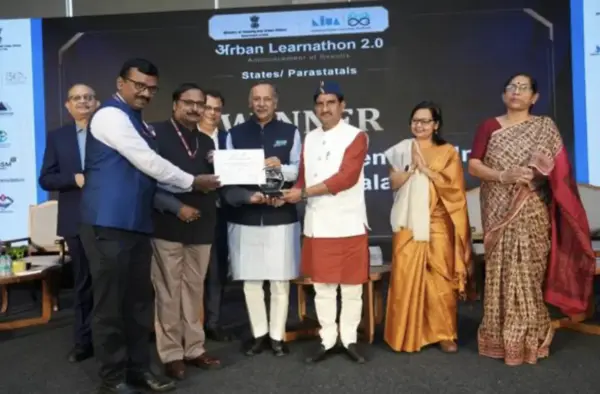
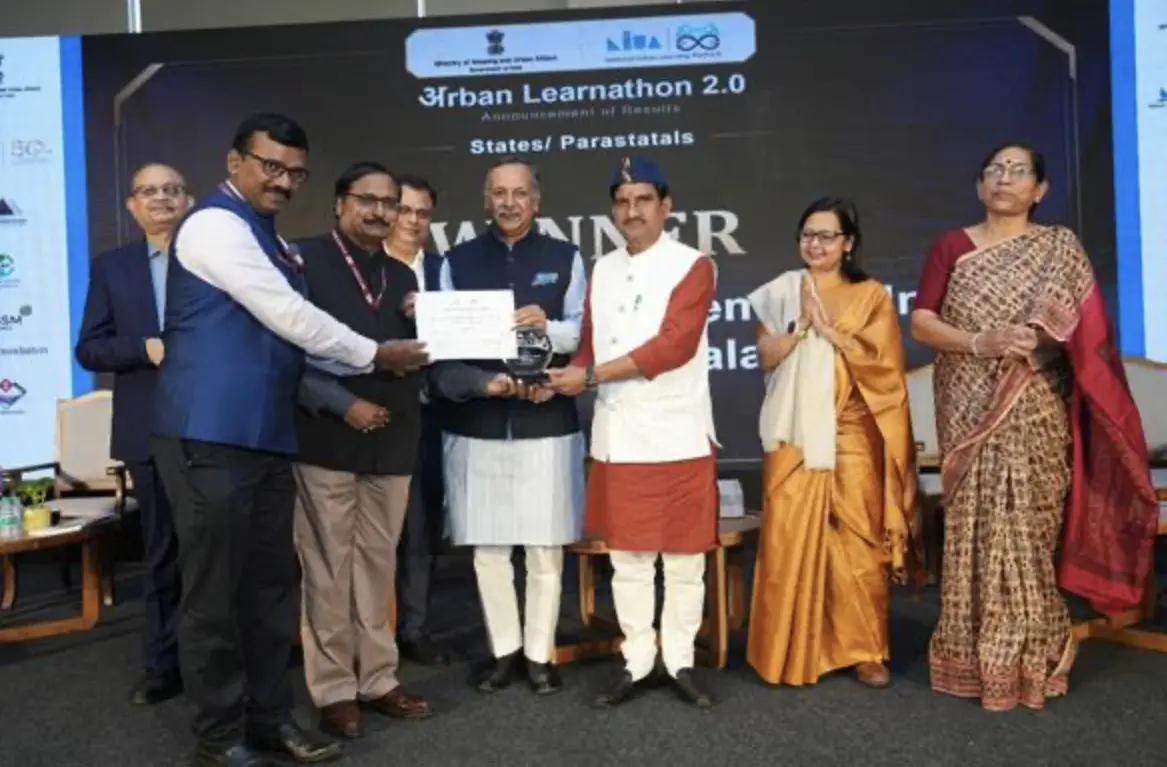
The Himalayan Urban Bio-Sheds initiative, undertaken by NIUA with support from the Ministry of Environment, Forest and Climate Change and the National Mission on Himalayan Studies, is planned for pilot implementation in three towns across Himachal Pradesh, Uttarakhand and Sikkim. The conclave also recognised 18 urban solutions selected from 201 entries, of which 84 were shortlisted.
Closing remarks highlighted institutional capacity, decentralisation, integrated planning and sustainable infrastructure financing. Parvat Manthan concludes with recommendations intended to inform subsequent efforts on sustainable urban development across the Indian Himalayan Region. The deliberations are to be documented and shared for suggestions and feedback.
States coverage