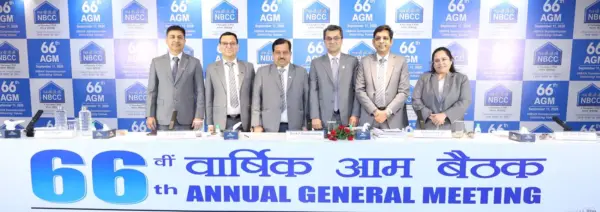







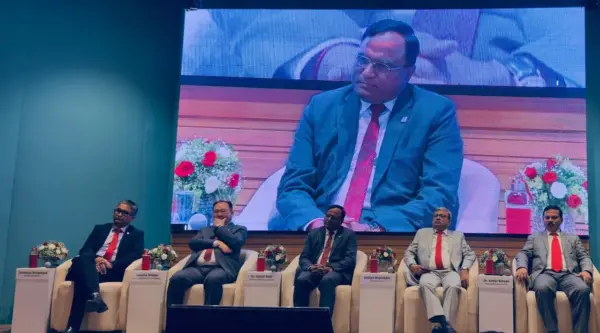
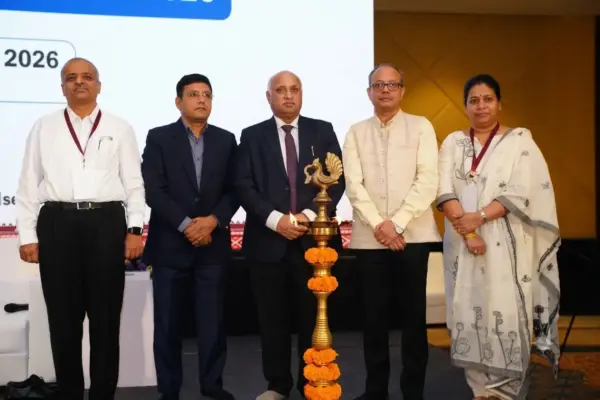

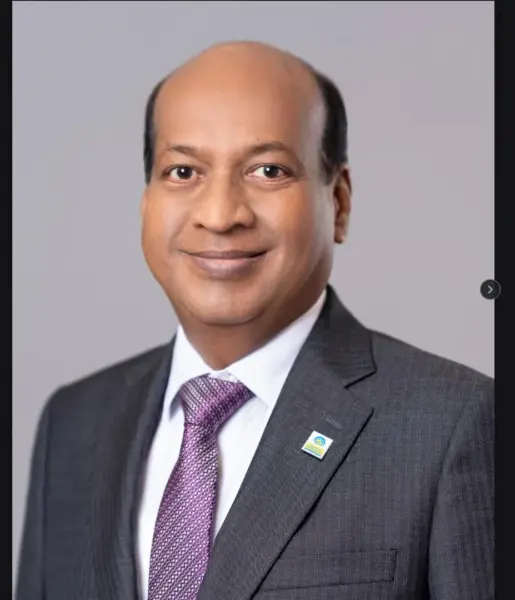

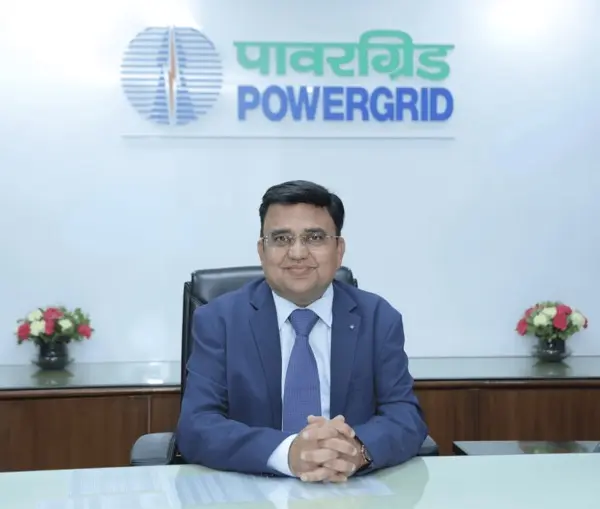



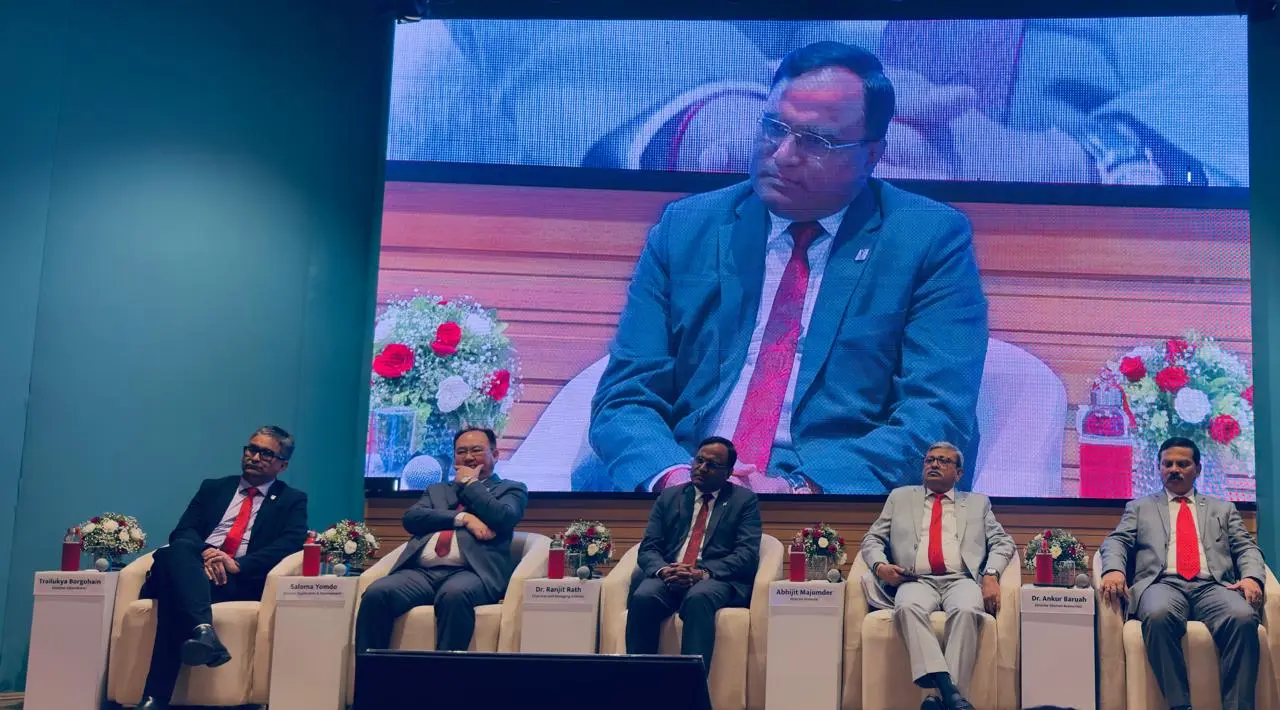
Oil India Limited held its 67th Annual General Meeting on September 17, 2026, at its Noida office, where Chairman and Managing Director Dr. Ranjit Rath outlined the company’s growth priorities in domestic oil and gas production, offshore exploration and clean energy. Dr. Rath addressed shareholders and journalists at the meeting.
The company’s board members were also present, Oil India said its strategy focuses on higher domestic crude oil and natural gas output, faster exploration, including deepwater and ultra-deepwater projects, and investment in clean energy. Dr. Rath said the Government of India’s Samudra Manthan National Offshore Exploration Scheme and GOBARdhan National Circular Bioenergy Scheme provide policy support for areas where Oil India is developing future capabilities.
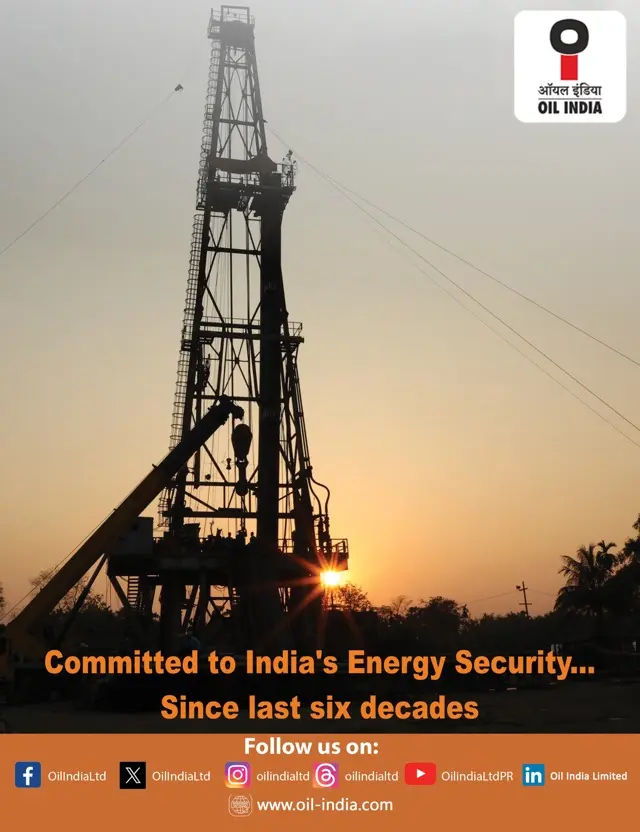
The company said it produced 3.450 million metric tonnes of crude oil and 3.186 billion cubic metres of natural gas in FY 2025-26. It said it achieved a terminal crude oil production rate of 10,566 metric tonnes per day, its highest in 14 years. Oil India completed 74 wells during the year, including 22 exploratory wells and 52 development wells, according to the company. It also said its reserve replacement ratio improved to 1.02 in FY 2025-26. In the first quarter of FY27, crude oil production rose 11% year on year to 0.950 million metric tonnes, the company said. It also reported its highest-ever daily crude oil production of 10,921 metric tonnes, or 84,109 barrels. Oil India reported consolidated profit after tax of ₹7,551 crore for FY 2025-26 and consolidated net worth of ₹53,716 crore.
The company declared a total dividend of ₹11.50 per equity share and said the Oil India Group invested more than ₹21,673 crore during the year across exploration and production, refining, pipelines and strategic growth projects. The company said its exploration footprint exceeds one lakh square kilometres across onshore and offshore sedimentary basins. Its offshore portfolio includes acreage in the Andaman, Krishna-Godavari, Mahanadi and Kerala-Konkan basins, including ultra-deepwater blocks.